FIFA World Cup 2026 Tickets: Availability, Sales Phases and Booking Rules
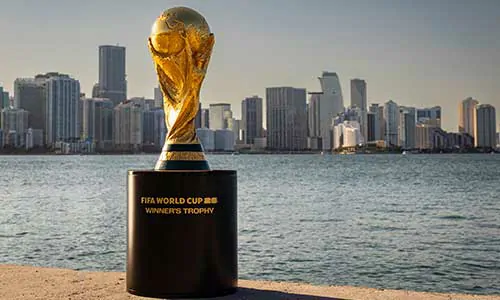
The beautiful game is reaching unprecedented heights as North America hosts the highly anticipated 48-team tournament. Securing your place at the biggest sporting event in history requires a deep understanding of FIFA World Cup 2026 Tickets: Availability, Sales Phases and Booking Rules. Consequently, millions of football fans around the globe are searching for verified pathways to access match tickets. This comprehensive guide breaks down everything you need to know to navigate the official purchasing process, manage costs, and secure your seat in the stadium.
Table of Contents
- 1. The Expanded Era of World Cup Football
- 2. A Complete Guide to FIFA World Cup 2026 Tickets: Availability, Sales Phases and Booking Rules
- 3. Deep Dive into the Official Ticket Sales Phases
- 4. Navigating FIFA World Cup 2026 Tickets: Availability, Sales Phases and Booking Rules for the Knockout Stage
- 5. Ticket Pricing, Categories, and Seat Selection
- 6. The Official FIFA Resale Marketplace vs. Secondary Outlets
- 7. Key Summary of FIFA World Cup 2026 Tickets: Availability, Sales Phases and Booking Rules
- 8. Fast-Tracking Visas via the FIFA PASS Program
- 9. Frequently Asked Questions (FAQ)
- 10. Conclusion and Call to Action
1. The Expanded Era of World Cup Football
The 2026 tournament marks a monumental chapter in sporting history. For the first time, 48 nations are competing across three host countries: the United States, Canada, and Mexico. This expansion results in a massive schedule of 104 matches, dramatically increasing the total seat capacity compared to previous tournaments.
Furthermore, organizers are on track to shatter the all-time attendance record of 3.5 million spectators, a milestone originally set during the 1994 World Cup in the United States. Host cities ranging from Vancouver and Toronto to Mexico City, Monterrey, New York, and Los Angeles are preparing their massive NFL and Liga MX stadiums to welcome millions of fans.
In addition to the geographic scale, the tournament format guarantees high-stakes drama from the group stage through to the final on July 19, 2026. Therefore, demand for tickets has reached an absolute fever pitch, with hundreds of millions of ticket applications submitted through various official channels. Knowing how to secure these seats legally is paramount to participating in this historic celebration.
2. A Complete Guide to FIFA World Cup 2026 Tickets: Availability, Sales Phases and Booking Rules
To successfully purchase tickets, fans must strictly utilize the official FIFA Ticketing Portal. Primary sales are never distributed through third-party retail channels or physical ticket booths during the initial windows. Consequently, anyone attempting to buy tickets outside of the official ecosystem risks facing counterfeit tickets or sudden entry denial at the stadium gates.
Additionally, FIFA structures ticket availability using distinct, structured release intervals to ensure fair global distribution. These intervals cater to different demographics, including host-nation residents, international travelers, and official supporters of participating national teams. Because demand vastly outstrips supply, understanding the timing of each distribution wave is critical to planning your tournament journey.
Meanwhile, booking regulations have been tightened to prevent rampant black-market activities. Every single ticket must be assigned to an individual guest, and matches are strictly monitored to ensure compliance with household purchase limits. In order to avoid potential order cancellations, supporters must familiarize themselves with the precise legal frameworks outlined in the official ticketing terms.
3. Deep Dive into the Official Ticket Sales Phases
The distribution of tickets has occurred across several carefully planned stages, beginning in late 2025 and continuing directly through the active tournament in 2026. Each phase employs a unique mechanism designed to prioritize different groups of football enthusiasts.
Phase 1: The Visa Presale Lottery
The very first opportunity for supporters to secure inventory ran from September 10 to September 19, 2025. As the official payment partner of the tournament, Visa cardholders received exclusive early access to submit their applications. This phase operated as a random selection draw rather than a direct, first-come, first-served sale, allowing all applicants an equal probability of selection regardless of when they submitted their request.
Phase 2: The Early Ticket Draw and Domestic Exclusivity
Directly following the Visa presale, the Early Ticket Draw ran in late October 2025. This phase introduced dedicated domestic exclusivity periods, allocating a significant portion of tickets directly to residents of the host countries (USA, Canada, and Mexico). This policy ensures that local communities, who fund and support the stadium infrastructure, have a direct and affordable pathway to attend the matches in their home regions.
Phase 3: The General Random Selection Draw
Running from December 11, 2025, to January 13, 2026, the main Random Selection Draw served as the primary gateway for the global public. Fans could apply for single-match tickets, stadium series packages, or team-specific passes. Successful applicants were notified via email and granted a specific time window to log into the portal and complete their purchases using verified payment methods.
Phase 4: Participating Member Association (PMA) Supporters Phase
To preserve the electric, passionate atmosphere that defines the tournament, FIFA allocated dedicated seating blocks to the official supporter groups of the qualifying nations. The main PMA phase closed in early 2026, followed by a dedicated late-qualifier supporter window in April 2026. This targeted distribution ensures that participating teams have organized, chanting fan sections inside the stadiums to boost team morale.
Phase 5: The Last-Minute Sales Phase
Launched on April 1, 2026, the Last-Minute Sales Phase represents the final primary pathway for securing seats. Unlike previous draw-based stages, this phase operates on a strictly first-come, first-served basis with immediate payment and seat confirmation. This window remains open until the very last match of the tournament, with ticket inventory being released in rolling, real-time drops as seating configurations are finalized.
4. Navigating FIFA World Cup 2026 Tickets: Availability, Sales Phases and Booking Rules for the Knockout Stage
As the tournament progresses into the high-stakes knockout rounds, navigating the availability of seats becomes highly dynamic. With the Group Stage concluding and the Round of 32 officially underway, primary ticket availability shifts rapidly based on which teams qualify. For instance, marquee matchups like the upcoming Netherlands vs. Morocco clash in Monterrey or Canada vs. South Africa in Los Angeles spark massive surges in local and international ticket demand.
To secure tickets during these crucial knockout phases, fans must rely heavily on the ongoing Last-Minute Sales Phase. FIFA regularly releases small batches of tickets back into the public inventory as hospitality allocations, media blocks, and partner quotas are returned. Consequently, keeping a constant eye on the live seat map via the ticketing portal is the most effective strategy for capturing these late-stage drops.
On the other hand, supporters must prepare for the realities of digital queues. During periods of peak traffic, the portal implements virtual waiting rooms to regulate flow and maintain server stability. Therefore, logging in early, maintaining a stable internet connection, and having your payment details pre-saved in your user profile are essential steps to successfully completing a checkout when a ticket drop occurs.
5. Ticket Pricing, Categories, and Seat Selection
Ticket pricing is structured hierarchically across four main seating categories, alongside premium hospitality options, ensuring options are available for various budget levels. Category 1 represents the premium side-stand seating with the clearest views of the pitch. Conversely, Category 4 offers the most affordable tickets, though these are strictly reserved for domestic residents of the host nations.
| Match Stage | Category 1 | Category 2 | Category 3 | Category 4 (Domestic) |
|---|---|---|---|---|
| Opening Match | $450 | $320 | $200 | $50 |
| Group Stage | $250 | $165 | $90 | $30 |
| Round of 32 | $350 | $240 | $140 | $60 |
| Round of 16 | $480 | $340 | $200 | $80 |
| Quarter-finals | $750 | $510 | $320 | $120 |
| Semi-finals | $1,450 | $980 | $600 | $250 |
| Final Match | $2,200 | $1,500 | $950 | $400 |
For those looking to bypass the digital ticket lottery entirely, Official FIFA Hospitality Packages are an alternative. These premium passes bundle match admission with upscale food, beverage service, and exclusive lounge access. While these packages represent a much larger financial investment, they provide a guaranteed route to securing premium seating for high-demand matches.
Additionally, during the active Last-Minute Sales Phase, fans can utilize the interactive “Select Your Seat” feature on the portal map. This tool allows users to choose exact seating blocks and rows in real-time. By selecting your seat directly, you can ensure your group sits together, enhancing the overall stadium experience during match day.
6. The Official FIFA Resale Marketplace vs. Secondary Outlets
As the tournament progresses, plans inevitably change for many ticket holders. To accommodate this, the official FIFA Resale Marketplace serves as the only authorized platform to buy and sell pre-owned tickets. This platform protects both buyers and sellers from fraud by verifying each ticket’s unique barcode before allowing a listing to go live.
Furthermore, because of controversial policy shifts, FIFA has not placed strict price caps on peer-to-peer resales for certain premium categories in this tournament. This has occasionally led to extreme pricing on the resale marketplace, especially for the final rounds. However, purchasing through the official platform remains the only way to guarantee the ticket is fully transferred and legally registered in your name.
In contrast, using unauthorized secondary ticketing sites or social media brokers carries extreme risks. FIFA employs advanced digital ticket tracking, and tickets discovered on unapproved secondary marketplaces are routinely flagged and deactivated without a refund. Therefore, relying strictly on the official resale platform is critical to avoiding the heartbreak of being turned away at the stadium gates.
7. Key Summary of FIFA World Cup 2026 Tickets: Availability, Sales Phases and Booking Rules
To maintain order and prevent massive ticket hoarding, FIFA enforces strict transactional and behavioral regulations across all ticketing stages. Violating these rules can lead to the immediate cancellation of all associated purchases, making compliance essential for every applicant.
- Household and Ticket Limits: To ensure broad public access, individual households are limited to a maximum of six tickets per match. Additionally, a single household user account can purchase a lifetime maximum of 30 tickets across the entire 104-match tournament.
- Mandatory Personalization: Every ticket must be digitally assigned to a specific individual. Buyers must input the correct names, passport details, or national ID numbers of each guest within their ticketing account before the digital tickets are generated.
- Strict Transfer Policies: Tickets cannot be casually transferred via email or screenshot. Transfers must be executed digitally through the official mobile application, which re-registers the ticket’s cryptographic barcode to the recipient’s personal account.
- Accessibility Tickets: Dedicated inventory is set aside for individuals with mobility issues, wheelchair requirements, or sensory sensitivities. These tickets are priced equivalent to Category 4 rates and include a complimentary seat for an accompanying personal companion.
By strictly adhering to these guidelines, you protect your financial investment and ensure a seamless entry experience on match day. Additionally, keeping your registration profile updated in the ticketing portal allows FIFA to communicate critical stadium security updates or match schedule adjustments directly to your inbox.
8. Fast-Tracking Visas via the FIFA PASS Program
Because the tournament is spread across Canada, Mexico, and the United States, international travel logistics are a major consideration for ticket holders. To streamline the visa application process, the organizing bodies have introduced the FIFA PASS (FIFA Priority Appointment Scheduling System).
Consequently, international travelers who hold verified match tickets can leverage the FIFA PASS program to obtain expedited consular interviews. This specialized scheduling system connects directly with United States, Canadian, and Mexican consulate databases to verify ticket authenticity. Once confirmed, applicants receive priority appointment windows, drastically reducing the typical wait times associated with tourist visa processing.
Furthermore, this integration helps minimize travel delays, giving fans peace of mind as they plan their multi-city itineraries. However, because visa processing times vary significantly by country of origin, fans are strongly encouraged to initiate their FIFA PASS registration immediately upon receiving their official ticket confirmation.
9. Frequently Asked Questions (FAQ)
Q1: Where can I buy official FIFA World Cup 2026 tickets?
Answer: Official tickets are sold exclusively through the FIFA Ticketing Portal at FIFA.com/tickets. You should avoid purchasing from any other unauthorized websites, as those tickets may be counterfeit and can be deactivated by tournament officials without notice.
Q2: What is the Last-Minute Sales Phase, and how does it work?
Answer: The Last-Minute Sales Phase is the final primary ticket window that remains active throughout the duration of the tournament. Unlike earlier phases, it operates on a first-come, first-served basis, allowing fans to purchase newly released seat inventory with immediate confirmation.
Q3: Can I resell my tickets if I can no longer attend a match?
Answer: Yes, residents of most participating countries can list their unwanted tickets on the official FIFA Resale Marketplace. This is the only authorized platform for selling or trading tickets safely and legally.
Q4: Are there household ticket purchase limits?
Answer: Yes, FIFA enforces a limit of six tickets per match and a maximum of 30 tickets overall per household throughout the tournament. These measures prevent speculative bulk-buying and ensure fairer ticket distribution.
Q5: How does the FIFA PASS assist with international travel?
Answer: The FIFA PASS is a priority appointment scheduling system. It allows verified ticket holders traveling to host countries to fast-track their tourist visa application interviews at official consulates.
Q6: Is Category 4 pricing available to international fans?
Answer: No, Category 4 seating represents the most budget-friendly tier and is reserved exclusively for residents of the host nations (USA, Canada, and Mexico). International visitors must purchase Category 1, 2, or 3 tickets.
10. Conclusion and Call to Action
To sum up, attending the historic 2026 tournament is an unforgettable dream that is highly achievable with proper preparation. Managing the details of FIFA World Cup 2026 Tickets: Availability, Sales Phases and Booking Rules is the definitive first step to securing your place in football history. By sticking to official channels, understanding the pricing structures, and respecting the booking boundaries, you can guarantee a stress-free and spectacular stadium experience.
Do not wait until the final whistle to make your move. Head directly to the official FIFA Ticketing Portal today, monitor the rolling last-minute ticket drops, and lock in your seats for the beautiful game’s ultimate spectacle!