FIFA World Cup 2026 Dynamic Pricing: Why Ticket Costs Change Over Time
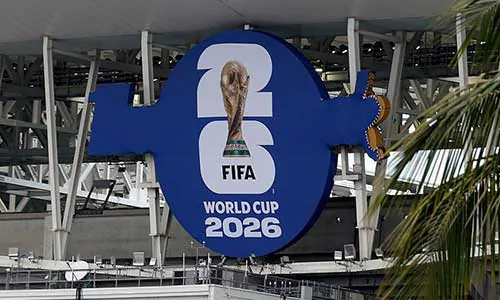
The global football community is buzzing with excitement as the tournament gets underway. Co-hosted by the United States, Canada, and Mexico, this event represents the largest and most ambitious edition in sports history. However, for many loyal supporters, the thrill of the beautiful game has been accompanied by considerable sticker shock. As millions of football enthusiasts prepare for the highly anticipated tournament across North America, many are experiencing sticker shock when attempting to secure their seats. Understanding FIFA World Cup 2026 Dynamic Pricing: Why Ticket Costs Change Over Time is essential for anyone hoping to attend these historic matches.
Historically, tournament ticket prices remained static once the official sales phases launched. This year, however, the organizing body took complete control of the ticketing process, introducing a flexible, market-driven pricing system. Consequently, ticket costs are shifting continuously, leaving many fans wondering how a match-day seat can fluctuate so dramatically in price over the span of just a few weeks. Furthermore, this shift to a FIFA World Cup 2026 Dynamic Pricing model reflects a major departure from traditional sports ticketing. This deep-dive analysis explores the mechanics, economic motivations, controversies, and strategies surrounding this new system.
Table of Contents
- 1. Understanding the Concept of Dynamic Ticket Pricing
- 2. An In-Depth Look at FIFA World Cup 2026 Dynamic Pricing: Why Ticket Costs Change Over Time
- 3. The Mechanics Behind FIFA World Cup 2026 Dynamic Pricing: Why Ticket Costs Change Over Time
- 4. The Economic Drivers Behind the Decision
- 5. Ticket Price Comparison: 2026 vs. Qatar 2022
- 6. Fan Backlash and Legal Scrutiny
- 7. How Fans Can Navigate FIFA World Cup 2026 Dynamic Pricing: Why Ticket Costs Change Over Time
- 8. Frequently Asked Questions (FAQ)
Understanding the Concept of Dynamic Ticket Pricing
To comprehend the current ticketing landscape, it is first necessary to define what dynamic pricing actually is. Commonly utilized by airlines, hotel chains, and ride-sharing services, dynamic pricing is a strategy where prices fluctuate in real-time. These adjustments are driven by algorithmic software that monitors supply, demand, competitor pricing, and various external market conditions. For instance, if a flight to a specific city sees a sudden surge in searches, the airline’s system automatically raises the ticket fare. Conversely, if demand falls, prices may drop to fill vacant seats.
In the sports and entertainment sector, dynamic pricing has become highly prevalent, particularly within the United States. Ticket distribution giants regularly use these algorithms for concerts, NFL games, and NBA matches. By adopting this approach, event organizers can capture the maximum value that consumers are willing to pay, effectively matching the ticket cost with its real-time market worth. Indeed, this practice ensures that the face value of a ticket closely mirrors what the secondary market is willing to bear.
However, applying this model to a global tournament like the World Cup is unprecedented. Historically, international tournaments prioritized equitable access, offering fixed-price tiers so that fans from all economic backgrounds could participate. Therefore, the implementation of a FIFA World Cup 2026 Dynamic Pricing strategy represents a massive shift in how global sporting events are monetized.
An In-Depth Look at FIFA World Cup 2026 Dynamic Pricing: Why Ticket Costs Change Over Time
For the first time in the history of the tournament, the global governing body has integrated a demand-based pricing structure into its primary ticket sales. In past editions, such as Russia 2018 or Qatar 2022, ticket categories had fixed price points. A Category 1 ticket for a group stage match remained the same price whether you bought it in the first random selection draw or the last-minute sales phase. However, the introduction of the FIFA World Cup 2026 Dynamic Pricing model has completely rewritten the rulebook.
According to reports and public statements, the decision to utilize this pricing model was heavily influenced by the host market. The United States, which is hosting 78 of the 104 matches, possesses a highly sophisticated ticketing market where dynamic pricing is the standard norm. In their official 2018 bid book, the host federations initially stated they were not actively pursuing dynamic pricing. Yet, as planning progressed and the massive scale of the tournament became apparent, the central leadership elected to bypass traditional host-federation ticket management.
Consequently, the governing body embraced dynamic pricing as a core strategy, aiming to maximize overall tournament revenue. By doing so, they took complete control of ticketing away from the individual host nations. This allowed them to implement a highly responsive algorithmic model that alters ticket costs on a match-by-match basis, depending heavily on where, when, and who is playing.
The Mechanics Behind FIFA World Cup 2026 Dynamic Pricing: Why Ticket Costs Change Over Time
Understanding how this model functions requires looking closely at the variables fed into the algorithmic systems. The underlying mechanics of FIFA World Cup 2026 Dynamic Pricing rely on a continuous feedback loop of data. The core mechanism is remarkably straightforward: the greater the demand for a specific seat, the higher the price climbs. However, several nuanced factors influence how the system calculates these shifts in real-time.
First, the system monitors historical data and active search queries on the official ticketing platform. If a match features highly sought-after teams, such as Argentina, Brazil, or the United States, the algorithm immediately identifies high demand. Consequently, ticket costs for these specific fixtures escalate much faster than for matches between lower-ranked nations.
Second, the geographic location of the stadium plays a major role. Matches played in high-income metropolitan areas like New York/New Jersey, Los Angeles, or Miami naturally attract higher baseline bids. This is partly due to the concentration of wealth and local corporate interest in these regions. On the other hand, matches in host cities with lower average incomes or smaller stadiums may experience slower price appreciation.
Third, secondary market activity directly influences primary pricing. The official ticketing system continuously monitors listing prices on secondary resale platforms. If tickets are being traded on the secondary market for several thousand dollars, the primary ticketing system adjusts its own remaining inventory upward. Thus, FIFA World Cup 2026 Dynamic Pricing operates in a way that allows the organizing body, rather than third-party scalpers, to pocket the premium.
The Economic Drivers Behind the Decision
When considering the financial goals, FIFA World Cup 2026 Dynamic Pricing serves as a vital tool to reach historic targets. The organizing body has projected a record-breaking revenue target of approximately $11 billion for the 2026 cycle, with at least $3 billion expected to come directly from ticket sales. By allowing ticket prices to float based on demand, they can capture the “consumer surplus”—the difference between what a fan is willing to pay and the standard face value of the ticket.
In a traditional fixed-price model, a ticket sold for $200 might be resold on the black market for $2,000. Under the dynamic model, the organizers aim to sell that ticket directly to the fan for close to its actual market value. This effectively keeps the profit within the organization rather than letting it go to secondary brokers. Moreover, hosting a tournament across three massive nations incurs unprecedented logistics and security expenses. Operating 104 matches instead of the traditional 64 requires immense capital; therefore, maximizing ticketing revenue is seen as a financial necessity to offset these skyrocketing hosting costs.
However, critics point out that FIFA World Cup 2026 Dynamic Pricing alienates average fans. While the corporate boxes and premium hospitality suites are fully booked, the average passionate supporter is left struggling to afford standard admission. This has sparked a fierce debate about the commercialization of global sports and whether profit should take precedence over fan accessibility.
Ticket Price Comparison: 2026 vs. Qatar 2022
The financial shift brought about by this new pricing model is jaw-dropping when compared to previous tournaments. The difference before and after the introduction of FIFA World Cup 2026 Dynamic Pricing is clearly illustrated when comparing standard ticket costs between the 2022 edition in Qatar and the 2026 edition in North America.
Specifically, the minimum face-value ticket prices have risen dramatically. To help visualize this contrast, the table below outlines the average ticket price ranges across different stages of both tournaments:
| Tournament Stage | Qatar 2022 Price Range (USD) | 2026 Face Value Range (USD) | 2026 Secondary Market Avg. (USD) |
|---|---|---|---|
| Group Stage (Standard) | $11 – $220 | $60 – $620 | $150 – $950 |
| Group Stage (Host Nations) | $55 – $618 | $75 – $2,735 | $400 – $5,200 |
| Round of 32 / 16 | $105 – $350 | $105 – $750 | $300 – $2,400 |
| Semifinals | $360 – $955 | $700 – $4,300 | $1,200 – $8,500 |
| The Final | $206 – $1,607 | $2,030 – $6,370 | $9,200 – $11,000+ |
Looking at these numbers, it is clear that FIFA World Cup 2026 Dynamic Pricing has driven ticket costs to historic heights. For instance, between October 2025 and April 2026, the primary platform raised prices on more than 90 of the 104 matches by an average of 34 percent. Consequently, fans are finding that attending a single group stage match in 2026 can cost more than securing multiple tickets in previous editions.
Fan Backlash and Legal Scrutiny
Naturally, the transition to a dynamic ticketing model has not been without intense controversy. The uproar surrounding FIFA World Cup 2026 Dynamic Pricing highlights the tension between maximizing commercial revenue and preserving the cultural spirit of the sport. Historically, football has been viewed as a highly accessible sport for working-class communities worldwide. The current pricing structure, however, risks transforming the World Cup into an exclusive event reserved only for the wealthy.
In response to these soaring costs, fan advocacy groups have expressed deep frustration over the perceived lack of transparency. Many argue that the algorithmic model creates artificial scarcity, encouraging fans to panic-buy tickets at inflated rates. This widespread discontent caught the attention of regulatory bodies in the United States. In May 2026, the attorneys general of several U.S. states launched formal investigations into these ticketing policies, examining allegations of misleading practices and potential price manipulation.
According to an in-depth report by TIME Magazine, these pricing models threaten to price out the very supporters who give the tournament its vibrant atmosphere. While the organizers introduced a “Supporter Entry Tier” featuring $60 tickets to appease critics, these tickets represent a tiny fraction of overall stadium capacity. For example, at MetLife Stadium, which hosts the final, approximately 450 of these affordable tickets exist, translating to a mere 0.54 percent of total seating.
How Fans Can Navigate FIFA World Cup 2026 Dynamic Pricing: Why Ticket Costs Change Over Time
Despite the steep prices and shifting costs, there are still ways for determined fans to secure tickets without completely draining their savings. To successfully bypass the worst effects of FIFA World Cup 2026 Dynamic Pricing, supporters must adopt a strategic approach and monitor market patterns closely.
Here are several key strategies to keep in mind when hunting for tickets:
- Monitor the Official Resale Portal regularly: The official resale platform allows fans to trade tickets safely. Because the pricing algorithm adjusts based on active supply, monitoring the portal during off-peak hours can occasionally reveal lower face-value options.
- Target matches in Mexico and Canada: According to ticketing data compiled by Britannica, ticket prices in Mexican and Canadian venues are generally lower than those in major US cities. If your travel plans are flexible, games in Monterrey, Guadalajara, or Vancouver are often more budget-friendly.
- Apply through National Fan Clubs: Registered supporters of qualified national teams have access to dedicated ticket allocations. This includes a portion of the Supporter Entry Tier, which remains exempt from standard dynamic price spikes.
- Wait for Last-Minute Drops: Algorithms are designed to maximize revenue, but unsold inventory represents a total loss as kickoff approaches. Consequently, prices may drop sharply in the final 48 hours before a match as the system attempts to fill empty seats.
This demonstrates how FIFA World Cup 2026 Dynamic Pricing can sometimes work in the consumer’s favor if demand for a specific match drops. Remaining patient, keeping your options flexible, and targeting lower-profile matches are excellent ways to navigate this complex ticketing environment.
Ultimately, FIFA World Cup 2026 Dynamic Pricing has reshaped the landscape of sports entertainment. By treating these matches as high-demand premium concert events rather than public celebrations, the organizing body has maximized its revenue but at a significant cost to traditional fan accessibility. As the tournament continues to unfold, the debates surrounding ticket affordability will undoubtedly shape how future global sporting events are organized and priced.
If you are planning to attend, stay informed, check the official ticketing portal daily, and be ready to act quickly when prices dip. Planning ahead and staying flexible remains your best path to securing a seat at the world’s greatest sporting spectacle.
Frequently Asked Questions (FAQ)
What is the science behind FIFA World Cup 2026 Dynamic Pricing?
Dynamic pricing is an algorithmic ticketing model where prices fluctuate in real-time based on supply and demand. If search volume and purchase rates for a specific match are high, the system automatically increases the ticket price. If demand slows, prices may stabilize or decrease slightly.
Why are 2026 World Cup tickets so much more expensive than Qatar 2022?
This is due to the introduction of dynamic pricing, high demand in the lucrative North American market, and the organizing body’s goal to reach $11 billion in revenue. In contrast to 2022, which featured fixed ticket pricing, the 2026 tournament utilizes US-style entertainment pricing models where ticket costs adapt to real-time market value.
How often do ticket prices change under this system?
Prices can change multiple times a day depending on the level of demand, secondary market trends, and match milestones (such as team qualifications). Due to the nature of FIFA World Cup 2026 Dynamic Pricing, tickets fluctuate continuously throughout the sales phases.
Are there any cheap tickets available for fans?
Yes. The organizers introduced a “Supporter Entry Tier” featuring tickets priced at $60. However, these are highly limited, allocated mostly through participating national team fan associations, and make up less than 1% of the capacity in major stadiums like MetLife Stadium.
Is dynamic pricing legal for World Cup tickets?
Yes, dynamic pricing is legal under United States regulations, where the majority of the matches are being played. However, the ticketing system has faced intense scrutiny, leading several U.S. State Attorneys General to launch investigations into potential price manipulation and lack of transparency.
Can I buy tickets on secondary platforms safely?
The safest way to purchase tickets is through the official FIFA resale platform, where transactions are verified and capped. Unofficial secondary platforms often carry high service fees and risk of invalid tickets, so buyers must exercise extreme caution.