FIFA World Cup 2026 Hosts: USA, Canada and Mexico City Guide
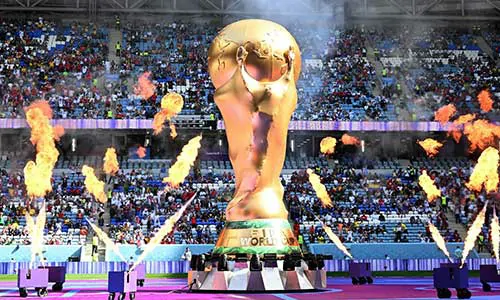
The global sports stage is set, and the excitement is palpable as three massive nations prepare to host the most extensive tournament in football history. To help you navigate this monumental event, our FIFA World Cup 2026 Hosts: USA, Canada and Mexico City Guide is designed to provide you with all the vital insights, locations, and travel tips. Whether you are traveling across borders or exploring a single host city, staying informed is key. Consequently, having a reliable resource like this FIFA World Cup 2026 Hosts: USA, Canada and Mexico City Guide ensures a seamless match-day experience.
Table of Contents
- 1. Why You Need This World Cup 2026 Guide
- 2. The United States Host Cities & Venues
- 3. Canada Host Cities & Venues
- 4. Mexico Host Cities & Venues
- 5. Navigating the Venues & Geographic Clusters
- 6. Host Stadiums Quick Comparison
- 7. Practical Travel & Logistics Tips
- 8. Planning Your Match-Day Itinerary
- 9. Why You Can Trust Our Guide
- 10. Conclusion and Final Thoughts
- 11. Frequently Asked Questions (FAQ)
Why You Need a FIFA World Cup 2026 Hosts: USA, Canada and Mexico City Guide
Planning a trip across three vast North American countries can be complex. In addition to booking flights and securing match tickets, navigating local transit near different stadiums requires thorough preparation. Therefore, utilizing this FIFA World Cup 2026 Hosts: USA, Canada and Mexico City Guide is crucial for optimizing your itinerary. Each host country offers a completely unique cultural vibe, currency, and transportation infrastructure.
Furthermore, this tournament is the first of its kind to feature an expanded format of 48 teams competing in 104 matches. As a result, millions of fans will be traveling simultaneously. Consequently, travelers who plan their routes ahead of time will avoid last-minute hurdles and maximize their overall tournament enjoyment. Let’s delve deep into what each host nation has to offer.
The United States Host Cities & Venues
The United States is set to host the majority of the tournament’s fixtures, including the highly anticipated knockout rounds and the final. In total, 11 American cities are opening their doors to international football fans. Each city boasts massive, modern venues that are regularly used for American football but have been adapted to host world-class soccer matches.
To understand where you will be traveling, let’s explore these major American destinations:
- New York/New Jersey (MetLife Stadium): Located in East Rutherford, this iconic venue is set to host the prestigious final on July 19, 2026. Because of its massive capacity, it will attract fans from all corners of the globe. You can easily access the stadium from Manhattan via public transit.
- Los Angeles (SoFi Stadium): Known as a state-of-the-art marvel, SoFi Stadium features a stunning canopy and immersive screens. Consequently, it represents one of the premier highlights of this FIFA World Cup 2026 Hosts: USA, Canada and Mexico City Guide. Note that public transit options are growing, but rideshares remain highly popular here.
- Dallas (AT&T Stadium): This massive indoor stadium in Arlington, Texas, is renowned for its giant central video screen. It will host multiple high-profile matches. However, keep in mind that Dallas is very car-dependent, so renting a vehicle is highly recommended.
- Atlanta (Mercedes-Benz Stadium): Featuring a unique retractable roof and a vibrant downtown atmosphere, Atlanta is a major transit hub. In addition, its MARTA rail system connects directly to the stadium gates, offering an incredibly smooth journey for fans.
- Miami (Hard Rock Stadium): With its tropical atmosphere and vibrant cultural scene, Miami is ready to provide a festive environment. Additionally, local organizers are preparing dedicated shuttle services to link the stadium to popular beach areas.
- Boston (Gillette Stadium): Located in Foxborough, this historic venue brings decades of sporting prestige to the tournament. While it is located outside the city center, commuter trains usually operate special routes on major match days.
- Houston (NRG Stadium): Known for its passionate sporting culture and retractable roof, Houston offers an excellent fan experience. The local METRORail provides a straightforward connection from downtown directly to the stadium complex.
- Kansas City (Arrowhead Stadium): Famous for holding the world record for stadium noise, fans can expect an electric atmosphere here. Meanwhile, the city is globally celebrated for its unique barbecue culture, making it a culinary highlight for visiting supporters.
- Philadelphia (Lincoln Financial Field): Rich in history and culture, Philadelphia’s stadium is easily accessible from the city center via the Broad Street Subway line. Furthermore, the stadium is situated within a concentrated sports complex, making navigation highly intuitive.
- San Francisco Bay Area (Levi’s Stadium): Situated in Santa Clara, this high-tech venue is ideal for tech-savvy travelers. However, because it is located south of San Francisco, fans should budget extra transit time when traveling from the city center.
- Seattle (Lumen Field): Famous for its incredible acoustic design and passionate local fan base, Seattle is a premier Pacific Northwest soccer destination. Fortunately, the stadium is located within walking distance of downtown and major transit links.
Using a comprehensive resource like our FIFA World Cup 2026 Hosts: USA, Canada and Mexico City Guide allows you to plan your transit to these massive stadiums efficiently and avoid heavy traffic delays.
Canada Host Cities & Venues
Canada is preparing to co-host its first-ever men’s World Cup, showcasing two of its most metropolitan and beautiful coastal cities. Furthermore, Canadian venues are recognized for their sustainable designs and stunning natural backdrops. For fans looking to experience a mixture of city life and pristine nature, the Canadian leg of the tournament is ideal.
Let’s look closely at the two Canadian host cities:
- Toronto (BMO Field): Located near the shores of Lake Ontario, this intimate stadium is being expanded to welcome the international community. Moreover, Toronto’s diverse neighborhoods offer an incredibly welcoming environment for global football supporters. The stadium is highly accessible via the local GO Transit and TTC streetcar systems.
- Vancouver (BC Place): Nestled on the scenic Pacific coast, BC Place features a spectacular retractable roof and views of False Creek. In addition, Vancouver’s efficient public transport system, the SkyTrain, makes commuting to the stadium incredibly simple. This allows fans to explore nearby mountains and beaches on the same day as a match.
If you are planning to travel north, relying on a detailed FIFA World Cup 2026 Hosts: USA, Canada and Mexico City Guide will help you understand the differences in Canadian transit systems and border entry requirements.
Mexico’s Historic Venues and Cultural Hubs
Mexico brings a legendary football heritage to the tournament, becoming the first country to host matches in three separate World Cups. Because of this rich history, visiting the Mexican stadiums is highly recommended for any purist of the sport. The atmosphere in Mexico is guaranteed to be incredibly festive, filled with local music, colors, and culinary delights.
Here are the three historic Mexican host cities:
- Mexico City (Estadio Azteca): This legendary cathedral of football hosted the iconic moments of Pelé in 1970 and Maradona in 1986. Accordingly, starting the tournament here on June 11, 2026, cements its place in history. As detailed in our FIFA World Cup 2026 Hosts: USA, Canada and Mexico City Guide, the sheer energy of Estadio Azteca is unmatched, though travelers should prepare for high altitudes.
- Guadalajara (Estadio Akron): Known for its innovative grass-covered exterior, this stadium offers a modern yet culturally authentic environment. It is located in the home region of mariachi and tequila, promising a highly festive cultural experience for visiting fans.
- Monterrey (Estadio BBVA): Surrounded by the breathtaking Cerro de la Silla mountain range, this is easily one of the most picturesque stadiums in the world. Visitors can enjoy excellent local cuisine, particularly regional grilled meats, while enjoying state-of-the-art stadium amenities.
To experience these historic venues fully, our FIFA World Cup 2026 Hosts: USA, Canada and Mexico City Guide suggests focusing heavily on local cuisine and historical sightseeing between match days.
Navigating the Venues with Our FIFA World Cup 2026 Hosts: USA, Canada and Mexico City Guide
Understanding the layout and logistics of these host cities is critical to preventing unnecessary travel stress. For instance, traveling from the East Coast of the United States to the West Coast of Canada covers thousands of miles. Therefore, dividing the host cities into regional clusters (East, Central, and West) is a highly efficient way to plan your journey.
Consequently, using this FIFA World Cup 2026 Hosts: USA, Canada and Mexico City Guide to plan according to these clusters will dramatically reduce your domestic travel times and overall expenses. It is highly recommended to book multi-city flights well in advance to secure the best rates during this high-demand period.
Host Stadiums Quick Comparison
To give you a quick visual overview of the key venues featured in this tournament, we have compiled a brief comparison table. This includes capacities and key highlight features of selected stadiums across all three host nations.
| City & Country | Stadium Name | Capacity | Key Highlight |
|---|---|---|---|
| New York/New Jersey, USA | MetLife Stadium | 82,500 | Host of the World Cup Final |
| Los Angeles, USA | SoFi Stadium | 70,240 | Ultra-modern design and technology |
| Vancouver, Canada | BC Place | 54,500 | Stunning waterfront location |
| Toronto, Canada | BMO Field | 45,000 (expanded) | Intimate, fan-focused atmosphere |
| Mexico City, Mexico | Estadio Azteca | 87,523 | Historic opening match venue |
| Monterrey, Mexico | Estadio BBVA | 53,500 | Incredible mountain views |
Practical Travel Tips: Your FIFA World Cup 2026 Hosts: USA, Canada and Mexico City Guide
When traveling across three sovereign nations, you must keep several logistical factors in mind. In addition to booking match tickets, you should prioritize your health, official documentation, and local currencies to ensure a hassle-free trip.
Please review these essential travel guidelines carefully:
- Visas and Border Crossings: Remember that the United States, Canada, and Mexico each maintain independent immigration systems. Therefore, ensure your passport is valid for at least six months and check if you require an ESTA (USA), eTA (Canada), or a Mexican tourist card. Crossing borders during the tournament will experience heightened security, so allocate ample transit time.
- Transportation Networks: While domestic flights are the fastest way to travel between different regions, the Northeast US features highly efficient rail networks. On the other hand, renting a car is often the most practical choice in expansive cities like Los Angeles, Houston, and Monterrey.
- Currency and Connectivity: While major credit cards are universally accepted, keeping some Mexican Pesos on hand is useful when visiting local markets. Furthermore, purchasing an international eSIM will keep you connected seamlessly across all three host nations without incurring heavy roaming charges.
Ultimately, referring regularly to this FIFA World Cup 2026 Hosts: USA, Canada and Mexico City Guide can save you both time and money during your travels.
Planning Your Match-Day Itinerary
To get the most out of your tournament experience, we highly recommend planning around specific geographical hubs. For example, if your tickets are primarily for West Coast matches, staying within Seattle, Vancouver, and San Francisco is much more logical than flying across the continent. Consequently, a well-structured FIFA World Cup 2026 Hosts: USA, Canada and Mexico City Guide emphasizes minimizing transit times so you can spend more time enjoying the local fan zones and cultural attractions.
In addition to the stadiums themselves, each host city will feature vibrant FIFA Fan Festivals. These spaces allow supporters without match tickets to gather, watch live broadcasts, and enjoy local entertainment. To navigate these crowded areas easily, always utilize local light rails, subways, and designated shuttle buses. Furthermore, keeping a copy of this FIFA World Cup 2026 Hosts: USA, Canada and Mexico City Guide bookmarked on your phone ensures you can find reliable transit routes on the go.
Why You Can Trust This FIFA World Cup 2026 Hosts: USA, Canada and Mexico City Guide
This comprehensive resource has been meticulously curated using official data from authorized regional tourism bureaus and international travel guides. By gathering up-to-date details on stadium modifications, transit expansions, and fan zone locations, we aim to provide you with the most reliable information possible.
To cross-reference official match schedules or ticket sales, we suggest visiting the official FIFA website. Additionally, for specific travel advisories and tourism ideas within the United States, you can explore the official Visit The USA portal. Therefore, you can rely on this FIFA World Cup 2026 Hosts: USA, Canada and Mexico City Guide as your ultimate companion throughout this historic sporting event.
Conclusion and Final Thoughts
The 2026 tournament represents a historic celebration of global unity and sport. By hosting matches across the United States, Canada, and Mexico, North America is offering an unparalleled playground for football fans. To ensure you do not miss a single moment of the action, plan your documentation, travel arrangements, and stadium routes early. Use our FIFA World Cup 2026 Hosts: USA, Canada and Mexico City Guide to navigate every step of your journey. Safe travels, and enjoy the games!
Frequently Asked Questions (FAQ)
Q1: What are the official tournament dates for the World Cup in 2026?
A1: The tournament officially begins on June 11, 2026, with the opening match at the Estadio Azteca in Mexico City, and concludes with the final match on July 19, 2026, at MetLife Stadium in New Jersey.
Q2: Which stadium is hosting the final match?
A2: The final match will be hosted at MetLife Stadium, located in East Rutherford, New Jersey, just outside of New York City, on July 19, 2026.
Q3: Do I need separate visas to travel between the US, Canada, and Mexico?
A3: Yes. Because they are three sovereign nations, you must comply with the specific visa and entry requirements for each country. This may include securing an ESTA for the US, an eTA for Canada, or a tourist card for Mexico depending on your passport nationality.
Q4: How many host cities are there in total across the three countries?
A4: There are 16 host cities in total. This includes 11 cities in the United States, 3 cities in Mexico, and 2 cities in Canada.
Q5: What is the newly expanded format for the tournament?
A5: The tournament has expanded to feature 48 teams (up from 32 teams). They will play a total of 104 matches across the 16 host cities in North America.
Q6: How can I buy official tickets for the matches?
A6: Official tickets and hospitality packages should be purchased exclusively through the official FIFA ticketing platform to ensure legitimacy and avoid scams.