FIFA World Cup 2026 Venues: Iconic Stadiums Hosting the Tournament
- 1. Introducing the Historic 2026 Tournament
- 2. Why the FIFA World Cup 2026 Venues: Iconic Stadiums Hosting the Tournament Changed Names
- 3. United States Host Cities and Stadiums
- 4. Mexico Host Cities and Stadiums
- 5. Canada Host Cities and Stadiums
- 6. Stadium Comparison: Capacity and Key Features
- 7. Key Architectural Innovations in FIFA World Cup 2026 Venues
- 8. Frequently Asked Questions (FAQ)
- 9. Conclusion and Matchday Call to Action
The global football stage is set for an unprecedented spectacle, spanning three powerhouse nations—the United States, Mexico, and Canada. As millions of fans tune in to witness this historic 48-team event, the focus shifts to the magnificent stages where dreams will be realized. In this comprehensive guide, we explore the spectacular FIFA World Cup 2026 Venues: Iconic Stadiums Hosting the Tournament, analyzing their unique architectural features, rich histories, and temporary branding changes. From high-altitude historic coliseums to ultra-modern, retractable-roof marvels, each location brings something extraordinary to the beautiful game.
Consequently, organizing such a massive tournament across North America has required meticulous planning. The 16 chosen host cities represent some of the most advanced sporting arenas globally. In addition to showcasing elite athletic prowess, these venues are symbols of technological innovation and modern fan experiences. Ultimately, understanding the logistics and layout of the FIFA World Cup 2026 venues is crucial for any fan looking to follow this historic edition. Let us embark on a detailed journey to discover what makes these arenas so outstanding.
Why the FIFA World Cup 2026 Venues: Iconic Stadiums Hosting the Tournament Changed Names
To understand the operations behind this massive event, one must examine the strict regulations governing commercial branding. Specifically, world football’s governing body enforces a strict “clean stadium” policy. Under this mandate, all non-sponsor corporate names are temporarily scrubbed from the buildings for the duration of the tournament. Consequently, stadiums like SoFi Stadium, MetLife Stadium, and AT&T Stadium have transitioned to geographic titles such as Los Angeles Stadium, New York New Jersey Stadium, and Dallas Stadium.
Furthermore, this rule ensures that only official tournament partners receive exposure on international broadcasts and matchday tickets. Although this temporary rebranding might surprise casual fans, it remains standard practice for elite global sporting events. Interestingly, Atlanta Stadium (ordinarily known as Mercedes-Benz Stadium) managed to secure a rare partial exemption. Due to the complex mechanical architecture of its pinwheel roof, physical coverage of the logo was deemed mathematically impractical. Nevertheless, almost all other FIFA World Cup 2026 venues have successfully neutralized their commercial identities to align with tournament rules.
United States Host Cities and Stadiums
The United States boasts eleven of the sixteen total host cities, anchoring the majority of the tournament’s matches and crucial knockout rounds. Because of their massive, NFL-inspired capacities, these locations are prepared to host record-breaking crowds. Consequently, these arenas offer some of the most technologically advanced environments of any FIFA World Cup 2026 venues. Furthermore, the diversity of these stadiums reflects the geographic scale of the American landscape.
New York New Jersey Stadium (East Rutherford, NJ)
Formerly known as MetLife Stadium, this massive open-air venue boasts a capacity of approximately 82,500. Located just across the Hudson River, it has been selected to host the highly anticipated World Cup Final on July 19, 2026. Because it lacks a roof, weather conditions could play an interesting role. Nonetheless, its historical prominence and proximity to New York City make it a natural choice for the grandest stage of the tournament.
Los Angeles Stadium (Inglewood, CA)
Commonly known as SoFi Stadium, this architectural masterpiece operates as Los Angeles Stadium during the competition. It hosted the highly anticipated opening match on United States soil on June 12, 2026. With an expandable capacity of 70,000, it features a translucent canopy roof and the breathtaking dual-sided Infinity Screen. Therefore, fans are guaranteed an immersive visual experience unlike any other.
Dallas Stadium (Arlington, TX)
Dallas Stadium, traditionally known as AT&T Stadium, is a titan among sporting venues. Capable of hosting over 92,000 spectators for soccer, it features a retractable fabric roof and a gargantuan center-hung scoreboard. Additionally, it has been chosen to host nine tournament matches, including a crucial semi-final. Consequently, it remains a central pillar of the North American soccer campaign.
Atlanta Stadium (Atlanta, GA)
Featuring a unique retractable roof inspired by the Roman Pantheon, Atlanta Stadium is one of the premier FIFA World Cup 2026 venues. Under normal circumstances, it is called Mercedes-Benz Stadium. Since it is equipped with high-tech turf and a 360-degree halo board, fans will enjoy crystal-clear views. Furthermore, its central urban location makes it incredibly accessible for traveling international supporters.
Miami Stadium (Miami Gardens, FL)
Known locally as Hard Rock Stadium, this vibrant Florida arena is renamed Miami Stadium for the summer. It offers a capacity of roughly 65,300 and a specialized canopy roof designed to shield fans from rain and intense sun. In contrast to more industrial designs, this location embraces a distinct coastal, festive aesthetic that perfectly matches the local culture.
Philadelphia Stadium (Philadelphia, PA)
Philadelphia Stadium (commonly Lincoln Financial Field) holds about 69,000 spectators. Known for its intense, passionate sporting environment, it provides an energetic backdrop for the group stages. Additionally, the stadium is highly environmentally friendly, deriving power from over 11,000 solar panels. As a result, it stands as a sustainable beacon among modern stadiums.
Seattle Stadium (Seattle, WA)
Lumen Field becomes Seattle Stadium, bringing its legendary acoustics to the world stage. Because of its unique curved canopy, crowd noise is deflected directly back onto the pitch, creating an intimidating wall of sound. Specifically, it has earned a top-tier reputation among FIFA World Cup 2026 venues for having one of the most passionate fan bases in American soccer history.
San Francisco Bay Area Stadium (Santa Clara, CA)
Normally called Levi’s Stadium, this venue is located in the technology hub of Silicon Valley. It features advanced eco-friendly innovations, including a green roof and reclaimed water systems. Despite the clean-stadium rebranding forcing even small concessions to mask their corporate logos, the venue’s stellar digital infrastructure remains fully operational for fans looking to share their matchday experiences online.
Boston Stadium (Foxborough, MA)
Rich in American soccer tradition, Boston Stadium (ordinarily Gillette Stadium) has hosted major international tournaments since the 1994 World Cup. With a capacity of 65,000, it features a beautiful, newly renovated lighthouse and plaza. Therefore, fans visiting New England will experience a beautiful blend of historical soccer heritage and modern stadium amenities.
Houston Stadium (Houston, TX)
Normally referred to as NRG Stadium, Houston Stadium is fully air-conditioned and features a robust retractable roof system. This climate-controlled design is essential for shielding athletes and spectators from the intense Texas heat. Additionally, its vast concourses are designed to manage foot traffic efficiently, ensuring a comfortable flow during busy match days.
Kansas City Stadium (Kansas City, MO)
GEHA Field at Arrowhead Stadium is renamed Kansas City Stadium, offering a pure open-bowl football experience. Holding the record for the loudest outdoor stadium noise ever recorded, this venue guarantees a deafening atmosphere. Furthermore, the local passion for sports and culinary delights ensures that traveling international fans will enjoy a memorable Midwestern welcome.
Mexico Host Cities and Stadiums
Mexico brings deep soccer history and unmatched passion to the co-hosting framework. Specifically, the nation is contributing three legendary arenas that have witnessed some of the most celebrated moments in football history. As we look at the historic impact of the FIFA World Cup 2026 venues, Mexico stands out as a cultural cornerstone of the sport.
Estadio Azteca (Mexico City)
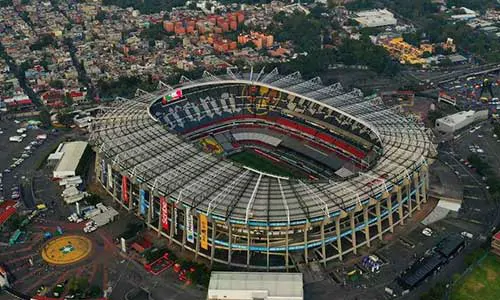
Estadio Azteca is a historic temple of global football. Consequently, it has achieved the unique distinction of hosting matches in three separate World Cups (1970, 1986, and 2026). With a staggering capacity of over 83,000, it sits at an elevation of 2,240 meters. Therefore, playing in Mexico City represents both a physical challenge for teams and a dream destination for fans. This stadium is widely considered the beating heart of the tournament.
Monterrey Stadium (Guadalupe, NL)
Officially known as Estadio BBVA, this modern arena operates as Monterrey Stadium during the event. It is famous for its stunning panoramic views of the Cerro de la Silla mountain. Because of its close proximity to the pitch, fans feel deeply connected to the action. Ultimately, its combination of natural beauty and top-tier architecture makes it one of the most picturesque FIFA World Cup 2026 venues.
Guadalajara Stadium (Zapopan, Jal)
Commonly known as Estadio Akron, Guadalajara Stadium is a masterclass in modern design. The exterior is shaped like a volcano, which seamlessly blends into the surrounding landscape. On the other hand, the interior offers an intense, intimate atmosphere. Since the stadium hosted several crucial regional play-off matches in early 2026, it is fully primed for high-octane tournament action.
Canada Host Cities and Stadiums
Canada is co-hosting the prestigious tournament for the first time in its history. Consequently, its two selected cities have thoroughly prepared to showcase the nation’s diverse culture and growing love for soccer. Although Canada is only hosting in two cities, these FIFA World Cup 2026 venues will provide highly distinctive and energetic settings.
BC Place (Vancouver, BC)
As the only major venue to retain its commercial name during the event, BC Place is a true jewel of the Pacific Northwest. It features a sophisticated, cable-supported retractable fabric roof that allows games to proceed regardless of the coastal weather. Additionally, its newly upgraded pitch and massive center-hung videoboard offer an exceptional experience for the 54,000 fans in attendance.
Toronto Stadium (Toronto, ON)
Originally known as BMO Field, Toronto Stadium underwent significant seating expansions to reach the 45,000 FIFA capacity minimum. Situated right along the scenic shores of Lake Ontario, this intimate arena offers a traditional, European-style soccer layout. As a result, fans are positioned extremely close to the pitch, creating a highly personal and electrifying matchday atmosphere.
Stadium Comparison: Capacity and Key Features
To provide a clear overview of how these outstanding arenas stack up against one another, we have compiled a detailed comparison table. This breakdown highlights capacities, roof configurations, and primary features of the selected FIFA World Cup 2026 venues.
| World Cup Name | Local Name | City & Country | Capacity | Roof Type |
|---|---|---|---|---|
| New York New Jersey Stadium | MetLife Stadium | East Rutherford, USA | 82,500 | Open Air |
| Los Angeles Stadium | SoFi Stadium | Inglewood, USA | 70,000 | Translucent Canopy |
| Dallas Stadium | AT&T Stadium | Arlington, USA | 92,900 | Retractable |
| Atlanta Stadium | Mercedes-Benz Stadium | Atlanta, USA | 75,000 | Retractable |
| Miami Stadium | Hard Rock Stadium | Miami Gardens, USA | 65,300 | Open Air (Canopy) |
| Philadelphia Stadium | Lincoln Financial Field | Philadelphia, USA | 69,000 | Open Air |
| Seattle Stadium | Lumen Field | Seattle, USA | 69,000 | Open Air (Canopy) |
| San Francisco Bay Area Stadium | Levi’s Stadium | Santa Clara, USA | 68,500 | Open Air |
| Boston Stadium | Gillette Stadium | Foxborough, USA | 65,000 | Open Air |
| Houston Stadium | NRG Stadium | Houston, USA | 72,000 | Retractable |
| Kansas City Stadium | Arrowhead Stadium | Kansas City, USA | 76,000 | Open Air |
| Estadio Azteca | Estadio Azteca | Mexico City, MEX | 83,000 | Open Air |
| Monterrey Stadium | Estadio BBVA | Guadalupe, MEX | 53,500 | Open Air |
| Guadalajara Stadium | Estadio Akron | Zapopan, MEX | 48,000 | Open Air |
| BC Place | BC Place | Vancouver, CAN | 54,000 | Retractable |
| Toronto Stadium | BMO Field | Toronto, CAN | 45,000 | Open Air |
Key Architectural Innovations in FIFA World Cup 2026 Venues: Iconic Stadiums Hosting the Tournament
Modern sports architecture is not simply about building massive structures. Instead, it is about creating sustainable, multipurpose spaces that elevate the fan experience to unprecedented heights. When reviewing the FIFA World Cup 2026 Venues: Iconic Stadiums Hosting the Tournament, several key technological and structural trends emerge.
Specifically, the integration of advanced climate-control systems is critical. For instance, stadiums in warm climates—such as Houston and Dallas—utilize fully enclosed structures with retractable roofs to manage high summer temperatures. Conversely, open-air venues like Miami rely on carefully engineered canopy shades to cool spectators. Indeed, the design philosophies of these FIFA World Cup 2026 venues will influence architectural trends for decades.
Furthermore, environmental sustainability has been a guiding principle. Many of these arenas incorporate renewable energy systems, eco-friendly water filtration, and zero-waste initiatives. This is evident in stadiums like Philadelphia and San Francisco, which lead the sports industry in green building certifications. Ultimately, these innovations ensure that the tournament’s infrastructure leaves a positive, lasting legacy.
Deep Dive: FIFA World Cup 2026 Venues: Iconic Stadiums Hosting the Tournament FAQs
To navigate the massive ecosystem of the FIFA World Cup 2026 venues, here are the answers to some of the most frequently asked questions regarding the tournament’s unique arenas.
Q1: Why did many of the NFL stadiums change their names for the tournament?
To comply with FIFA’s strict ‘clean stadium’ guidelines, any venue with commercial naming rights from companies that are not official FIFA sponsors must temporarily be renamed. Therefore, corporate names were replaced with geographic ones during the competition.
Q2: Which stadium is hosting the FIFA World Cup 2026 final?
The final will be hosted at the New York New Jersey Stadium (commonly known as MetLife Stadium) in East Rutherford, New Jersey, on July 19, 2026. This open-air facility can accommodate over 82,000 fans.
Q3: How many stadiums are located in each host country?
The tournament is distributed across three nations, with eleven stadiums located in the United States, three in Mexico, and two in Canada. This makes it the largest co-hosted World Cup in history.
Q4: What is the highest-altitude stadium in the tournament?
Estadio Azteca in Mexico City sits at an altitude of approximately 2,240 meters (over 7,300 feet) above sea level. Consequently, matches played here present a unique physical challenge for athletes due to the thinner air.
Q5: Are all the venues equipped with real grass pitches?
Yes. Despite several NFL stadiums typically using artificial turf, FIFA mandates that all FIFA World Cup 2026 venues install temporary or permanent natural grass surfaces to ensure consistent playing conditions.
Q6: Which stadium is the smallest in terms of spectator capacity?
Toronto Stadium (BMO Field) is the smallest venue, with an expanded capacity of roughly 45,000. Despite its size, it provides a highly intimate and intense environment for spectators.
Conclusion and Matchday Call to Action
To sum up, the FIFA World Cup 2026 Venues: Iconic Stadiums Hosting the Tournament represent a brilliant fusion of historic legacy and futuristic innovation. Across the United States, Mexico, and Canada, these sixteen magnificent arenas are ready to stage the most inclusive and expansive World Cup ever seen. Whether you are traveling to the high-altitude Estadio Azteca, enjoying the cutting-edge luxury of Los Angeles Stadium, or soaking in the coastal atmosphere in Miami, each venue promises to offer lifelong memories.
Are you planning to attend any of the matches live? Make sure to check the official FIFA Tournament Portal for up-to-date match schedules, stadium guides, and ticketing details. Additionally, you can follow comprehensive sports coverage on leading outlets like the Associated Press Sports to stay informed on team news and venue updates. Let the games begin!