Where Will the Next FIFA World Cups Be Held? 2030 and 2034 Host Guide
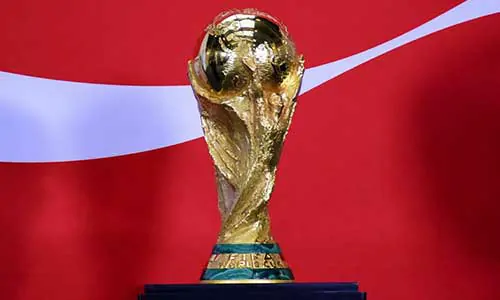
For football enthusiasts worldwide, the anticipation of the next global tournament is a constant source of excitement. As the beautiful game evolves, FIFA continues to expand the horizons of where its flagship event can go. If you have ever asked yourself how the global landscape of football is shifting, this comprehensive Where Will the Next FIFA World Cups Be Held? 2030 and 2034 Host Guide is the perfect resource to help you plan your future travel and keep up with the world’s greatest sporting spectacle.
Indeed, the upcoming tournament cycles represent some of the most ambitious and expansive geographical undertakings in sporting history. Through this Where Will the Next FIFA World Cups Be Held? 2030 and 2034 Host Guide, we intend to cover everything from the unprecedented multi-continent hosting of the 2030 centenary tournament to the state-of-the-art stadium projects planned for Saudi Arabia in 2034. Consequently, as you read through this Where Will the Next FIFA World Cups Be Held? 2030 and 2034 Host Guide, you will find detailed insights on each bid and start preparing for these historic events with the most accurate and up-to-date information available.
In the following sections, we will break down the specific host countries, cities, stadium projects, and key dates. Whether you are planning to attend these games live or simply want to stay ahead of the curve, this detailed overview has you covered.
Table of Contents
- The Evolving Landscape of FIFA World Cups
- The 2030 FIFA World Cup: A Three-Continent Centenary Celebration
- Deep Dive: The Core Hosts (Spain, Portugal, and Morocco)
- The Centenary Matches in South America
- The 2034 FIFA World Cup: Saudi Arabia’s Vision of the Future
- Host Cities and Mega Projects in Saudi Arabia
- Direct Comparison: 2030 vs. 2034 Tournament Concepts
- Fan Logistics: Travel, Visas, and Accommodations
- Conclusion and Final Takeaways
- Frequently Asked Questions (FAQs)
The Evolving Landscape of FIFA World Cups
In recent years, the bidding processes and structural formats of international sports tournaments have undergone a major paradigm shift. Historically, a single country—or, in rare cases like 2002, two neighboring nations—would host the global soccer community. However, as the tournament expands to accommodate 48 national teams, the demands on national infrastructure have grown exponentially.
As a result, joint bids have quickly transitioned from a rare exception into the standard operating procedure for FIFA. This evolution allows multiple nations to pool their resources, reduce individual financial burdens, and build a more inclusive celebration of sport. Therefore, understanding the upcoming cycles requires looking at host regions through a global, interconnected lens.
Where Will the Next FIFA World Cups Be Held? 2030 and 2034 Host Guide: The 2030 Breakdown
To begin, any comprehensive Where Will the Next FIFA World Cups Be Held? 2030 and 2034 Host Guide must address the historical significance of the centenary celebration. The year 2030 marks exactly 100 years since the inaugural FIFA World Cup was played in Uruguay in 1930. To honor this milestone, FIFA designed a highly unique tournament layout that bridges continents and honors football history.
When analyzing how these tournaments are structured, our Where Will the Next FIFA World Cups Be Held? 2030 and 2034 Host Guide highlights that 2030 will mark the first time a World Cup takes place across three different continents. The primary bidding coalition of Morocco, Portugal, and Spain will serve as the core organizers, hosting the vast majority of the matches. However, the tournament will officially kick off with three special centenary opening fixtures in South America.
This multi-continental structure ensures that the historical roots of the tournament are celebrated in the Americas while utilizing the cutting-edge sporting infrastructure of Europe and North Africa. Consequently, the 2030 tournament represents a physical and symbolic bridge across the Mediterranean and the Atlantic.
Deep Dive: The Core Hosts (Spain, Portugal, and Morocco)
The core of the 2030 tournament rests on a powerful alliance between Southern Europe and North Africa. Each of these three nations brings a deep, passionate football culture and experience hosting massive international events.
For that reason, we emphasize in this Where Will the Next FIFA World Cups Be Held? 2030 and 2034 Host Guide that cross-border transit is a major theme of the 2030 edition. Let us look closer at the individual nations involved:
- Spain: Having hosted the tournament in 1982, Spain boasts some of the most iconic football stadiums in the world. Legendary venues such as the Santiago Bernabéu in Madrid and the Camp Nou in Barcelona are undergoing massive renovations to prepare for the global stage. Spanish cities are expected to host a significant portion of the knockout rounds, including the highly anticipated final.
- Portugal: Portugal successfully hosted UEFA Euro 2004 and possesses top-tier venues like the Estádio da Luz and Estádio José Alvalade in Lisbon, as well as the Estádio do Dragão in Porto. While Portugal is a relatively compact country, its excellent transport links and high-quality infrastructure make it an ideal co-host.
- Morocco: Morocco’s inclusion in the bid represents a historic achievement, making it only the second African nation to host World Cup matches. The country is constructing the breathtaking Hassan II Stadium in Benslimane, near Casablanca, which is designed to seat over 115,000 spectators. Furthermore, Morocco is heavily investing in high-speed rail networks and hotel expansions to seamlessly connect host cities like Marrakech, Rabat, Tangier, and Fez.
Together, these three nations form a geographically contiguous hosting block separated only by the narrow Strait of Gibraltar. This close proximity ensures that, despite crossing continental borders, fans and teams will experience relatively short travel times between core match venues.
The Centenary Matches in South America
In addition to the Mediterranean hosts, South America holds a special place in the 2030 tournament structure. To pay tribute to the 1930 tournament, three specific opening matches will be played on South American soil. Therefore, in this Where Will the Next FIFA World Cups Be Held? 2030 and 2034 Host Guide, we make sure to emphasize how these early matches will act as a historical bridge:
- Uruguay: The historic Estadio Centenario in Montevideo, where the first World Cup final was played, will host Uruguay’s opening match. This serves as a direct symbolic link to the roots of international football.
- Argentina: The 1930 runners-up and multi-time champions will host their opening match in front of their passionate home crowd.
- Paraguay: As the headquarters of CONMEBOL (the South American Football Confederation), Paraguay will also host one opening fixture.
After these celebratory matches are completed, all six involved South American teams and their opponents will travel to Europe and North Africa for the remainder of the group stage. While this unique arrangement presents logistical challenges, it ensures the tournament’s rich history is honored in a highly visible manner.
The 2034 FIFA World Cup: Saudi Arabia’s Vision of the Future
Following the multi-continent model of 2030, FIFA will return to a single-nation hosting format for the 2034 edition. In December 2024, the FIFA Congress officially appointed Saudi Arabia as the host nation for the 25th FIFA World Cup. This selection marks a massive milestone for sports development in the Gulf region, making Saudi Arabia the second Middle Eastern nation to host the tournament, following Qatar in 2022.
Furthermore, the details in this Where Will the Next FIFA World Cups Be Held? 2030 and 2034 Host Guide show that the Gulf region is once again becoming the center of the footballing world. Under its ambitious Vision 2030 development program, Saudi Arabia is looking to deliver a highly compact, technologically advanced, and culturally immersive tournament. Because it is a single-nation host managing a 48-team tournament, the scale of investment in infrastructure is truly unprecedented.
Additionally, as discussed throughout this Where Will the Next FIFA World Cups Be Held? 2030 and 2034 Host Guide, the 2034 tournament features unmatched architectural plans designed to leave a lasting legacy for future generations.
Where Will the Next FIFA World Cups Be Held? 2030 and 2034 Host Guide: Spotlight on Saudi Arabia
Saudi Arabia’s official bid layout features 15 state-of-the-art stadiums spread across five distinct host cities, each offering a unique blend of heritage and modern design. As we delve deeper into the 2034 tournament details, this Where Will the Next FIFA World Cups Be Held? 2030 and 2034 Host Guide showcases the incredible structural transformation occurring in Saudi Arabia:
- Riyadh: The capital city will serve as the beating heart of the tournament, featuring multiple venues including the spectacular King Salman International Stadium. Riyadh will host key fixtures, including the opening match and the final.
- Jeddah: Located on the coast of the Red Sea, Jeddah offers a vibrant blend of historical charm and modern facilities. The iconic King Abdullah Sports City Stadium will be a key venue for high-profile group and knockout matches.
- Al Khobar: Positioned in the Eastern Province, Al Khobar is a major hub of industry and sports, offering modern facilities and excellent connectivity to neighboring Gulf countries.
- Abha: Located in the scenic Asir mountains, Abha offers a cooler climate and stunning landscapes, providing a highly unique atmosphere for visiting fans and teams.
- NEOM: The futuristic giga-project NEOM will host World Cup matches in a spectacular stadium built 350 meters above ground level within “The Line.” This venue represents a bold statement about the intersection of sport, architecture, and technology.
In addition to these core host cities, several other locations across the Kingdom will serve as high-performance Team Base Camps. Consequently, visiting teams will have access to world-class training facilities and private preparation spaces throughout the tournament.
Where Will the Next FIFA World Cups Be Held? 2030 and 2034 Host Guide: Key Comparisons
To help you digest the vast scale of these two upcoming tournaments, it is helpful to look at their key details side by side. Furthermore, this Where Will the Next FIFA World Cups Be Held? 2030 and 2034 Host Guide serves to simplify the geographic scope and operational structures of both editions. By reviewing the table in this Where Will the Next FIFA World Cups Be Held? 2030 and 2034 Host Guide, fans can easily spot the contrasting scales of these massive events:
| Feature | 2030 FIFA World Cup | 2034 FIFA World Cup |
|---|---|---|
| Host Countries | Spain, Portugal, Morocco (Core) Uruguay, Argentina, Paraguay (Opening matches) |
Saudi Arabia (Sole Host) |
| Continents Involved | Europe, Africa, South America | Asia |
| Number of Teams | 48 Teams | 48 Teams |
| Key Venues | Santiago Bernabéu, Hassan II Stadium, Estádio da Luz | King Salman Stadium, NEOM Stadium, Prince Mohammed bin Salman Stadium |
| Approximate Dates | June – July 2030 | Late Autumn / Winter 2034 (Expected) |
| Primary Concept | Centenary celebration, Mediterranean collaboration | Futuristic, high-tech, highly compact footprint |
As illustrated, while the 2030 edition focuses heavily on cross-continental collaboration and historical reverence, the 2034 tournament leverages a unified national vision with highly advanced urban planning. Both models present unique advantages and will offer vastly different experiences for attending fans.
Fan Logistics: Travel, Visas, and Accommodations
For die-hard fans, attending a World Cup requires extensive logistics planning years in advance. Preparing for travel requires early action, which is why this Where Will the Next FIFA World Cups Be Held? 2030 and 2034 Host Guide advises booking cross-continental flights well in advance, especially for the 2030 tournament.
During the 2030 Cup, fans wanting to experience both the South American centenary matches and the main tournament in the Mediterranean must secure multiple visas and long-haul flights. On the other hand, traveling within the core Spain-Portugal-Morocco sector will be significantly easier. The European Union’s open borders between Spain and Portugal, coupled with frequent ferry and flight connections to Morocco, make regional transit relatively straightforward.
For instance, our Where Will the Next FIFA World Cups Be Held? 2030 and 2034 Host Guide highlights the Schengen visa protocols for the European legs. Most international visitors will be able to travel between Spain and Portugal without inner-border controls, while a simplified transit visa or ferry ticket will grant entry into Morocco’s bustling host cities.
For the 2034 tournament in Saudi Arabia, travel logistics will be highly centralized. Visas are expected to be streamlined through a unified digital fan portal, similar to the Hayya card system used during Qatar 2022. Since Saudi Arabia is a single host country with high-speed rail lines linking major urban centers, traveling between stadiums will be incredibly fast and efficient.
Where Will the Next FIFA World Cups Be Held? 2030 and 2034 Host Guide – Final Takeaways
The future of international football is incredibly bright, filled with expansive geographical horizons and state-of-the-art stadiums. From the historic shores of Uruguay and Spain to the futuristic highlands of NEOM, the tournament is evolving to unite the world like never before.
Ultimately, keeping up with these massive changes is vital, and we hope this Where Will the Next FIFA World Cups Be Held? 2030 and 2034 Host Guide has provided you with all the vital insights. For more detailed updates, official schedules, and ticketing portals as they become available, make sure to visit the official FIFA Website. You can also monitor sports coverage on highly trusted portals like Sky Sports to stay informed on qualifying matches and venue completions.
Are you planning to travel to either of these tournaments? Start preparing your budget, monitoring flight routes, and building your travel itineraries today so you do not miss a single moment of the action!
Frequently Asked Questions (FAQs)
To make this Where Will the Next FIFA World Cups Be Held? 2030 and 2034 Host Guide as practical as possible, we have compiled a list of the most frequently asked questions surrounding these upcoming tournaments.
Q1: Why is the 2030 FIFA World Cup being hosted across three continents?
A: The 2030 tournament marks the 100th anniversary of the first World Cup in Uruguay. To celebrate this milestone, FIFA awarded the three opening matches to South American countries (Uruguay, Argentina, and Paraguay), while the rest of the matches will be hosted by Spain, Portugal, and Morocco.
Q2: Will Saudi Arabia host the entire 2034 World Cup on its own?
A: Yes. Unlike the multi-nation hosting formats of 2026 and 2030, Saudi Arabia is the sole confirmed host for the 2034 FIFA World Cup, utilizing 15 proposed stadiums across five key cities.
Q3: How many teams will play in the 2030 and 2034 World Cups?
A: Both the 2030 and 2034 editions will feature the expanded 48-team format, which officially debuts in the 2026 tournament in North America.
Q4: Will the 2034 World Cup be played in the summer or winter?
A: Due to extreme summer heat in the Arabian Peninsula, the 2034 World Cup in Saudi Arabia is highly expected to be held during the cooler autumn or winter months, similar to the 2022 tournament in Qatar.
Q5: Which stadium will host the 2030 World Cup Final?
A: While the official schedule is pending final approval, Spain’s iconic Santiago Bernabéu Stadium in Madrid and Morocco’s newly constructed Hassan II Stadium in Casablanca are currently the leading candidates to host the final.
Q6: How will teams handle the massive travel demands in 2030?
A: Teams playing the opening matches in South America will have a dedicated break of up to 11 to 12 days to travel, acclimatize, and prepare for their second matches in Spain, Portugal, or Morocco.